

The Key Takeaways: A stiff neck is usually the result of poor posture, stress, or an awkward sleeping position, and it typically responds well to targeted stiff neck stretches, chin tucks, upper trapezius, levator scapulae, and SCM stretches held for 15-30 seconds, done consistently. Severe pain, or pain with numbness, tingling, or weakness, needs a doctor’s evaluation rather than more stretching.
Woke up with a stiff neck from sleeping in an odd position? Spent too long hunched over your phone or a desk? Neck stiffness is common, and it rarely comes out of nowhere.
Your neck is a stack of muscles, ligaments, and nerves working all day to support the weight of your head. Poor posture, long hours at a screen, stress, and even a cold draft can tighten these muscles, leading to stiffness and a smaller range of motion. Occasionally, nerve irritation adds to the picture, which is why some people search specifically for neck stretches for a pinched nerve rather than general stiffness relief.
Simple stiff neck stretches help most of the time, but severe or persistent pain, especially pain radiating down an arm or paired with numbness or weakness, can signal something that needs a clinician’s evaluation rather than more stretching.
What is neck stretching?
Neck stretching is a simple, low-cost way to relieve tension, improve flexibility, and reduce stiffness. Stretching in general lengthens and relaxes tight muscles, which supports circulation and eases discomfort; a 2020 meta-analysis of stretching research in middle-aged and older adults found regular stretching improved arterial stiffness, one more reason to treat it as a habit rather than a one-off fix.3 Applied to the neck, targeted stretches loosen the muscles that support your head and cervical spine.
There are different types of cervical stretches: some use deep, controlled holds to release tension, others focus on mobility and posture. If stiffness extends into your shoulders, pairing stiff neck stretches with upper-back and shoulder work tends to give better relief than isolating the neck alone.
What are the benefits of stiff neck stretches?
A regular routine of stiff neck stretches can do more than ease today’s stiffness. Some of the main benefits, in brief:- Reduces neck pain and stiffness: stretching releases tight muscles and eases tension that builds up from posture, stress, or long hours at a desk. A randomized controlled trial of office workers with neck pain found that a four-week stretching program significantly reduced pain and improved neck function compared with no intervention.1
- Improves posture: slouching or craning toward a screen strains the neck over time. Regular stretching helps loosen the muscles that get pulled out of position, making it easier to hold a more upright, natural posture.
- Enhances flexibility and range of motion: stiffness limits how far you can comfortably turn or tilt your head. Neck mobility exercises keep the muscles and joints supple, so movement in every direction stays smoother and less guarded.
- Eases tension headaches: tight neck and shoulder muscles are a common contributor to tension headaches. Loosening them through upper-back and neck stretches can take the edge off headache frequency tied to muscle strain.
- Eases tension in the neck and shoulders from anxiety: stress and anxiety trigger muscle tightening, especially through the neck and shoulders; research on chronic neck-shoulder pain has linked psychological stress to a stronger pain response in this area.2 Working neck tension stretches into your routine is one practical way to counter that stress-tightness cycle.
- Supports injury resilience: a flexible, well-conditioned neck tends to handle sudden movements better than a stiff one, so keeping it mobile is a reasonable part of lowering everyday strain risk.
What are the best stiff neck stretches for pain relief?
Here are seven stretches, how to perform each one, the muscles it targets, when to reach for it, and what it tends to help with.
1. Chin tuck stretch
How to perform: Sit or stand tall. Slowly tuck your chin toward your chest while keeping your back straight. Hold for 15-30 seconds, then release.
Muscles targeted: Suboccipital muscles and upper trapezius.
Best for: Tech-neck stretches, poor posture, and a stiff neck from sleeping.
Benefits: Helps correct forward head posture, eases neck strain from screen time, and supports spinal alignment.
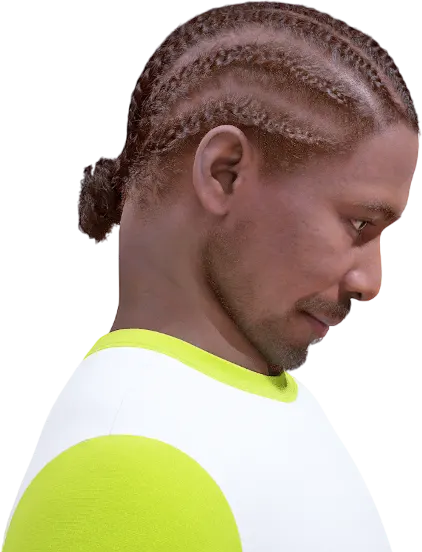
2. Upper trapezius stretch
How to perform: Sit or stand tall. Tilt your head to one side, bringing your ear toward your shoulder while keeping the opposite shoulder down. Hold for 20-30 seconds, then switch sides.
Muscles targeted: Trapezius, levator scapulae, and sternocleidomastoid (SCM).
Best for: Shoulder and neck stretches, stress relief, and neck tension stretches.
Benefits: Eases tightness in the shoulders and neck, takes the edge off tension headaches, and improves neck mobility.

3. Levator scapulae stretch
How to perform: Sit or stand with good posture. Rotate your head 45 degrees to one side, then tilt it downward as if looking toward your armpit. Use your hand to apply gentle pressure. Hold for 20-30 seconds, then switch sides.
Muscles targeted: Levator scapulae and upper trapezius.
Best for: Neck stretches for headache, upper-back tightness, and stress-related stiffness.
Benefits: Reduces neck and shoulder stiffness, improves range of motion, and eases upper-back tension.

4. SCM (sternocleidomastoid) stretch
How to perform: Sit or stand tall. Tilt your head back and to the side while keeping your shoulders relaxed. Hold for 20-30 seconds, then switch sides.
Muscles targeted: Sternocleidomastoid and scalene muscles.
Best for: Sternocleidomastoid stretches, tech-neck stretches, and neck stretches for headache.
Benefits: Eases tension in the front of the neck, takes the edge off headaches, and improves head and neck mobility.
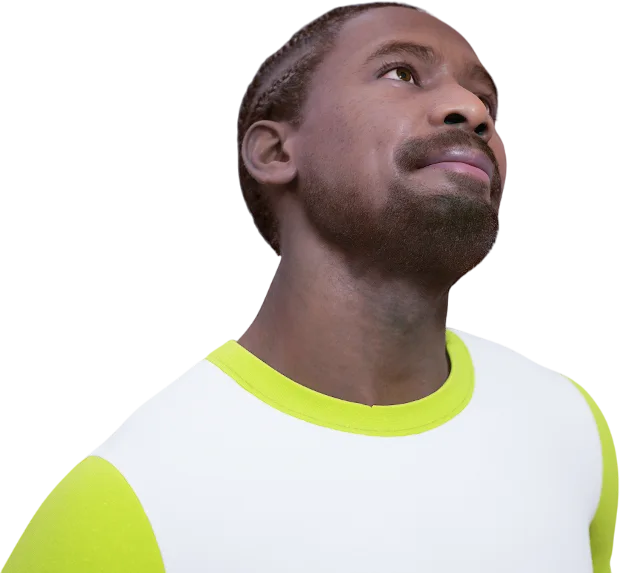
5. Back-of-neck stretch
How to perform: Sit with your back straight. Interlace your fingers behind your head and gently guide your head forward until you feel a stretch at the base of your skull. Hold for 20-30 seconds.
Muscles targeted: Suboccipital muscles and upper trapezius.
Best for: Neck stretches for tension headache, a stiff neck from sleeping, and general upper-neck tightness.
Benefits: Loosens stiff neck muscles, eases tension headaches, and reduces stress-related tightness.

6. Neck rotation (side-to-side turns)
How to perform: Sit or stand tall with your shoulders relaxed. Slowly turn your head to one side until you feel a gentle stretch, keeping your chin level. Hold for 10-15 seconds, then rotate to the other side. Repeat 3-5 times per side, and stop as soon as you feel resistance rather than pushing through it.
Muscles targeted: Sternocleidomastoid, scalene muscles, and upper trapezius.
Best for: Tension-headache neck stretches, improving neck mobility, and reducing stiffness from poor posture.
Benefits: Increases range of motion, eases neck stiffness, and improves flexibility for everyday movement.
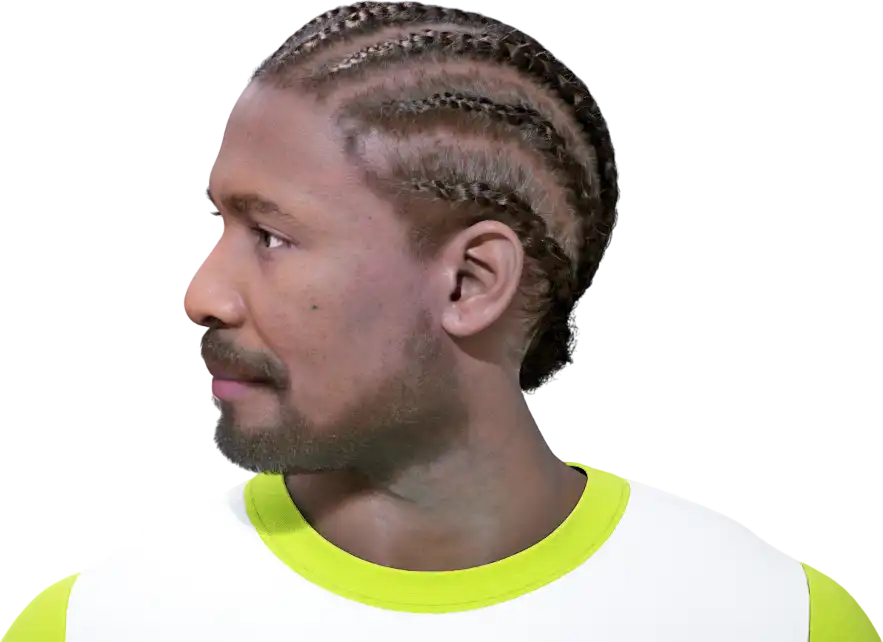
7. Neck flexor stretch
How to perform: Sit or stand with good posture. Place one hand on your collarbone to keep your chest still. Slowly tilt your head backward, looking up toward the ceiling. Hold for 15-20 seconds, then return to neutral.Muscles targeted: Deep neck flexors, including the longus colli and longus capitis.
Muscles targeted: Deep neck flexors, including the longus colli and longus capitis.
Best for: Tech-neck stretches, forward-head-posture correction, and easing tension in the neck and shoulders from looking down at screens.
Benefits: Works the postural muscles at the front of the neck, eases strain from prolonged screen time, and supports neck stability.
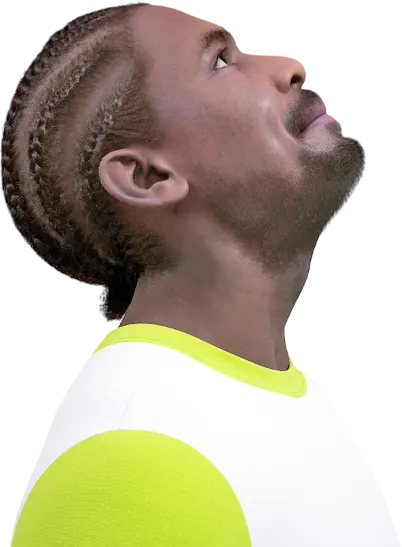
Stiff neck stretches are one of the simplest, most effective ways to ease neck tension and improve flexibility. A stiff neck from sleeping, long hours at a desk, and stress-related tension all respond to the same core routine, so working these stretches in consistently is what actually moves the needle.
How does Bejoyland NECKY fit into a stretching routine?
Stretching is one of the simplest, most effective ways to ease neck tension and improve flexibility. A stiff neck from sleeping, long hours at a desk, and stress-related tension all respond to the same core routine, so working these stretches in consistently is what actually moves the needle.
For anyone who wants to build beyond bodyweight holds, Bejoyland NECKY adds an adjustable elastic band with traction force you can dial up or down (see our guide to choosing a neck trainer for how to pick a resistance level). That range lets you work static, dynamic, and PNF-style stretching with the same tool, relieving tension and supporting mobility as your routine progresses, instead of staying capped at whatever your own hands can hold.
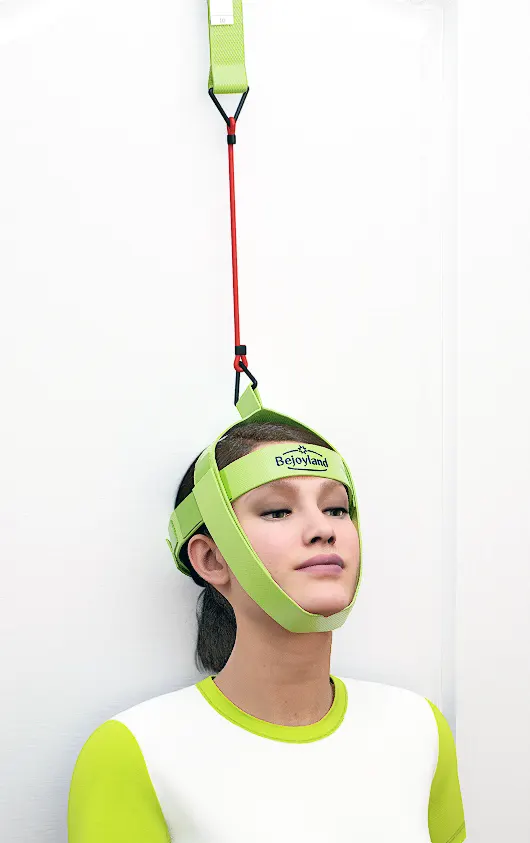
NECKY and the stretches above are built for general fitness, flexibility, and stiffness relief, not to diagnose or treat a medical condition. If you have a pre-existing cervical-spine condition, talk to a healthcare provider before starting a new stretching routine.
FAQ
Common questions about stiff neck stretches, answered below.
How do you stretch your neck?
Sit or stand with a straight back and relaxed shoulders. Work through back-of-neck, upper-back-and-neck, and shoulder-and-neck stretches by tilting your head forward, sideways, or gently rotating it. Hold each stretch for 15-30 seconds and avoid sudden or bouncing movements.
Do neck mobility exercises really improve range of motion?
Yes. Neck stretching, especially dynamic and PNF-style stretching, can improve flexibility, increase mobility, and reduce stiffness over time. Consistency matters more than intensity here: regular practice loosens tight muscles and carries over into everyday movement.
Do I need stiff neck stretches if I'm not in pain?
If you deal with a stiff neck from sleeping, tech neck, or stress-related tension, stretching is worth doing even before it hurts. Good neck stretches support posture and overall neck health, and stretching for neck tension proactively can help you avoid stiffness building up in the first place.
How do you release tension in the neck?
Try neck tension stretches like a gentle SCM stretch or an upper-back-and-neck stretch. Relax your shoulders, move slowly and with control, and breathe deeply while you hold each position. If anxiety is contributing to the tightness, regular stretching is a practical way to ease tension in the neck and shoulders from anxiety, alongside whatever else you’re doing to manage the stress itself.
Can stiff neck stretches help with a pinched nerve?
Chin tucks and gentle range-of-motion stretches are commonly included in physical-therapy plans for cervical nerve irritation, but they work alongside a clinician’s diagnosis and treatment plan, not in place of one. If you have numbness, tingling, or weakness radiating into your arm or hand, see a doctor before self-treating with stretches.
How do you stretch the sternocleidomastoid and other neck muscles?
Targeted moves like the SCM stretch, the neck flexor stretch, and neck rotation exercises each isolate a slightly different muscle group. A tool like Bejoyland NECKY lets you add adjustable traction to these same movements once bodyweight holds feel too easy, for static, dynamic, or PNF-style stretching.
When and how often should you do neck stretches for headache relief?
Neck stretches for headaches tend to work best done consistently, especially when muscle tension is the trigger. Try them in the morning, after long screen sessions, or whenever you notice tightness building. A few minutes, two to three times a day, is a reasonable starting cadence.
Sources
- Tunwattanapong P, Kongkasuwan R, Kuptniratsaikul V. The effectiveness of a neck and shoulder stretching exercise program among office workers with neck pain: a randomized controlled trial. Clinical Rehabilitation, 2016. PubMed.
- Sjörs A, Larsson B, Persson AL, Gerdle B. An increased response to experimental muscle pain is related to psychological status in women with chronic non-traumatic neck-shoulder pain. BMC Musculoskeletal Disorders, 2011. PMC.
- Kato M, Green FN, Hotta K, Tsukamoto T, Kurita Y, Kubo A, Takagi H. The Efficacy of Stretching Exercises on Arterial Stiffness in Middle-Aged and Older Adults: A Meta-Analysis of Randomized and Non-Randomized Controlled Trials. International Journal of Environmental Research and Public Health, 2020. PMC.